Marble Lobby Cleaning in London Commercial Buildings: Protecting a Surface That Punishes Mistakes

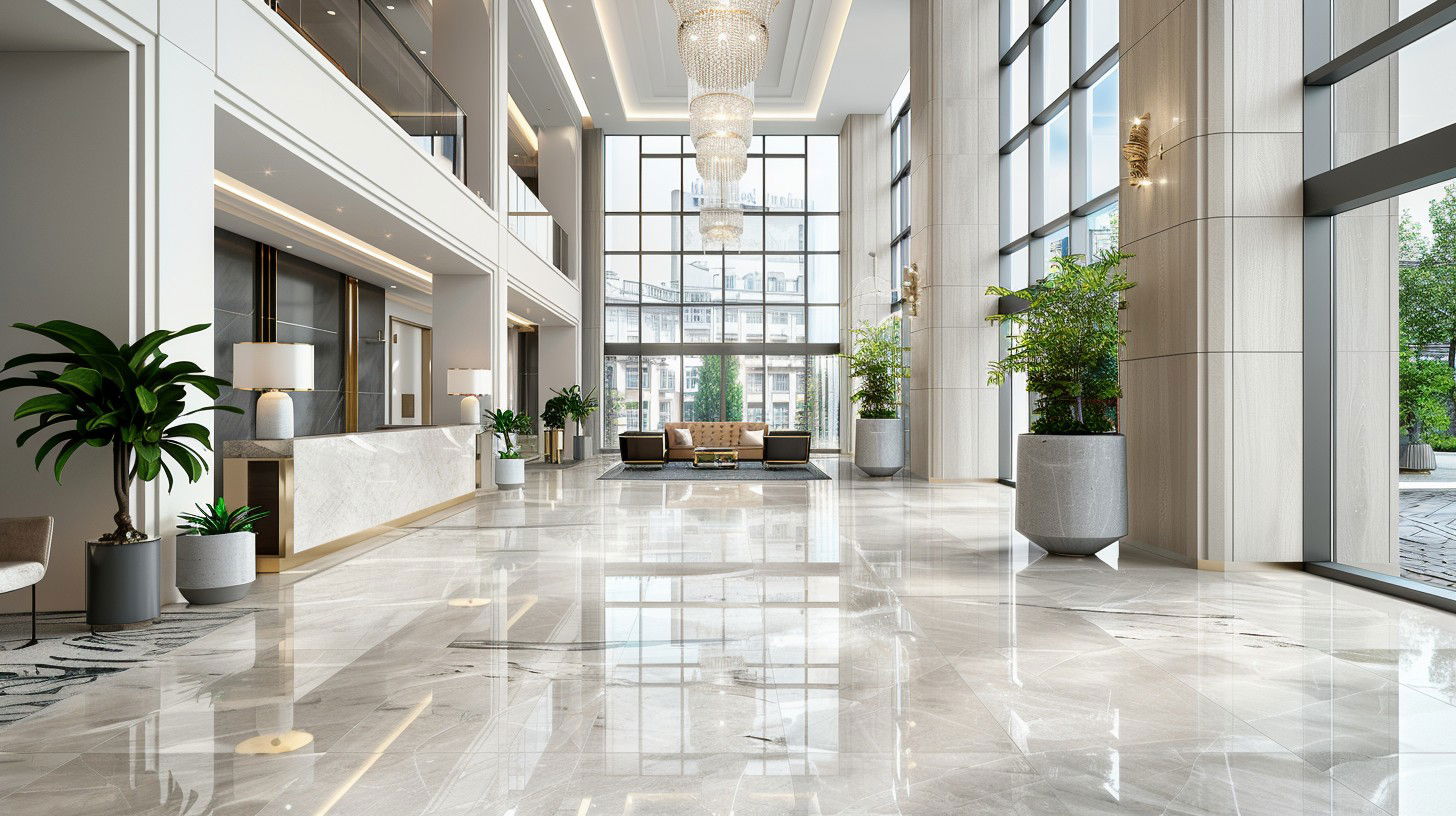
Marble is one of the most visually commanding materials a commercial building can deploy, and building owners and developers have understood this for centuries. A marble lobby announces permanence, quality, and a certain seriousness of purpose that no synthetic alternative has yet managed to replicate convincingly. In London’s commercial stock – from the grand Edwardian banking halls of the City to the prestige office developments of Mayfair, Canary Wharf, and the South Bank – marble flooring and wall cladding remain a first choice for reception spaces where first impressions carry real weight. Yet marble is also, in the context of commercial cleaning, one of the most unforgiving surfaces a contractor will encounter. It reacts badly to the wrong chemicals, scratches readily under the wrong equipment, and stains in ways that can be extraordinarily difficult and expensive to reverse. Understanding why marble behaves the way it does – and what professional cleaning actually requires – is not optional knowledge for a contractor working in London’s commercial property market. It is a prerequisite.


What Makes Marble Fundamentally Different From Other Hard Flooring

The geology behind the sensitivity

Marble is a metamorphic rock formed under intense heat and pressure from limestone – a composition that defines its appearance and, critically, its vulnerabilities. Its primary mineral constituent is calcium carbonate, the same compound found in chalk and limestone, and that chemical identity is the source of most of the problems that uninformed cleaning causes. Calcium carbonate reacts with acid. Not dramatically, not violently, but consistently and irreversibly: acids dissolve the surface of marble at a microscopic level, producing a dull, etched finish that is immediately visible on polished stone and that no amount of subsequent buffing can fully restore without professional restorative intervention. The practical implication is that a significant proportion of the cleaning products used routinely on other hard floor types – including many general-purpose floor cleaners, certain disinfectants, and almost anything with a citrus base – are chemically incompatible with marble and will cause surface damage on contact.

Porosity, absorption, and the staining problem

Compounding the acid sensitivity is marble’s porosity. Unlike granite, which is comparatively dense and resistant to liquid absorption, marble is a relatively porous stone that will draw liquids into its surface if they are not removed promptly and if the stone is not adequately sealed. In a commercial lobby environment – where coffee, soft drinks, muddy rainwater, and cleaning solution residues are a daily reality – that porosity creates a persistent staining risk. Dark liquids and tannin-bearing substances are particularly problematic, penetrating the stone and oxidising within its pore structure to produce stains that sit below the surface level and resist conventional cleaning entirely. Once a stain of this kind is established, remediation typically requires poulticing – a specialist process involving the application of absorbent compounds to draw the staining material back out of the stone – or, in severe cases, grinding and repolishing the affected area. Neither is inexpensive, and neither is the kind of outcome a building manager wants to explain to an owner or tenant.


The London Commercial Context: High Traffic, High Stakes

What London lobbies actually face each day

A marble lobby in a London commercial building is not a low-demand environment. In a mid-sized office building in the City or the West End, the entrance lobby may receive several hundred to several thousand footfall movements per day – each one tracking in a variable combination of rainwater, street grit, particulate pollution, and the residue of the capital’s pavements. London’s climate ensures that wet ingress is a near-daily reality for much of the year, and wet marble is both more susceptible to staining and – a fact with its own serious implications – significantly more dangerous underfoot. The abrasive particles carried in on shoes are a particular concern: fine grit and stone dust, ground between a shoe sole and a polished marble floor, act in exactly the way sandpaper does, scratching and dulling the surface finish progressively with every footfall. In a high-traffic lobby, this process operates continuously, and without the right maintenance programme, the degradation of the surface finish is measurable within months.

The reputational dimension in prestige commercial property

In the segment of London’s commercial property market where marble lobbies are most commonly found, the condition of that lobby is not a peripheral concern. For the asset managers, landlords, and occupiers of prestige office space, the entrance environment is a material component of the building’s value proposition – to prospective tenants, to visiting clients, and to the professional community that forms the building’s daily population. A marble lobby that has been etched, scratched, or allowed to develop a dull, uneven finish communicates exactly the opposite of what the material was installed to convey. The gap between a well-maintained marble surface and a neglected one is visually apparent to any observer, and in a market where occupiers have considerable choice, the condition of shared spaces directly influences tenant satisfaction and retention.


The Specific Risks: Where Uninformed Cleaning Goes Wrong

Chemical incompatibility and the acid threat

The most common and most consequential error made by cleaning operatives without specific marble training is the application of chemically inappropriate products. As established, any cleaner with an acidic pH will etch marble – but the category of incompatible products is broader than many contractors appreciate. Bleach-based cleaners, though alkaline rather than acidic, can cause discolouration and surface damage to certain marble types over repeated use. Soap-based products leave a residue that builds up progressively in the stone’s pores, producing a greying or clouding effect that becomes increasingly difficult to address. Even some products marketed as suitable for natural stone carry formulations that are inappropriate for marble specifically. The only safe baseline for routine marble cleaning is a pH-neutral, soap-free product formulated explicitly for use on calcium carbonate stone – and the selection of that product should not be left to operative discretion.

Mechanical damage from incorrect equipment

Chemical risk is well understood by those who have encountered it – but mechanical damage is, if anything, more frequently overlooked. Rotary scrubbing machines fitted with the wrong pad type will abrade a polished marble surface. Stiff-bristled brushes will scratch it. Wet vacuum attachments with rough or damaged contact edges can score the surface on repeated passes. The selection of cleaning machinery and accessories for use on marble requires the same specificity as chemical selection: diamond-impregnated pads, suitable for the maintenance of polished stone, behave very differently from general-purpose scrubbing pads, and the difference between the two, applied to a polished marble floor, is not recoverable through routine cleaning.

Insufficient drying and slip risk management

Wet marble is a significant slip hazard – a fact with both safety and liability dimensions that building managers and contractors share responsibility for managing. In a busy commercial lobby, wet floor conditions during cleaning operations require active management: appropriate signage, phased cleaning that keeps part of the floor accessible and dry, and the use of water volumes calibrated to the surface’s drying rate. Equally, standing water left on marble during or after cleaning increases staining risk and, in colder entrance environments, can contribute to surface micro-cracking over time. Professional marble maintenance takes both concerns seriously as operational considerations, not afterthoughts.


What Professional Marble Cleaning Actually Involves

Routine maintenance: the daily and weekly programme

At the routine maintenance level, professional marble care centres on a consistent programme of dry dust mopping – using microfibre or specialist stone mops that pick up abrasive grit without grinding it into the surface – followed by damp mopping with a correctly diluted, pH-neutral stone cleaner. The emphasis on dry removal of particulates before any wet process is applied is not incidental: it is the step that prevents the scratch-inducing grinding action described above. Entrance matting – properly specified, regularly cleaned, and adequately sized to capture grit before it reaches the marble – is a supporting element of the maintenance programme that is frequently undervalued, but which reduces the abrasive load on the surface significantly.

Periodic restoration: honing, polishing, and sealing

Beyond routine maintenance, marble lobbies in commercial use require periodic professional restoration to address the surface degradation that daily traffic inevitably produces. Honing – the use of abrasive diamond pads of progressively finer grades to remove the uppermost layer of stone and restore a uniform surface – addresses scratching, light etching, and the dullness that accumulates over time. Polishing, applied after honing, restores the reflective finish that defines the appearance of polished marble. Sealing, carried out with a penetrating impregnator formulated for natural stone, reduces the surface’s porosity and provides a meaningful degree of protection against staining between maintenance cycles. The frequency with which these processes are required depends on traffic volume, the robustness of the routine maintenance programme, and the specific marble type – but for a busy commercial lobby in central London, an annual or twice-yearly professional restoration programme is a reasonable operational expectation.

Matching the method to the stone

It is worth noting that marble is not a single uniform material. Carrara, Crema Marfil, Nero Marquina, Emperador, and the many other marble varieties installed across London’s commercial buildings differ in density, porosity, surface hardness, and sensitivity to chemical and mechanical intervention. A cleaning and maintenance programme appropriate for a dense, relatively impervious white Carrara floor may not be correct for a softer, more porous dark marble – and the consequences of applying the wrong approach to the wrong stone are consistent with everything described above. Professional contractors working with marble regularly should have – or have access to – the material knowledge to assess the specific stone type present before determining the appropriate maintenance specification.


Frequency, Planning, and the Value of a Written Maintenance Programme

The practical question for building managers is how to translate the above into an operational framework. The answer lies in a written stone maintenance programme – a document that specifies the routine cleaning methodology, the products and equipment approved for use, the schedule for periodic honing and resealing, and the responsibilities of daily cleaning operatives versus periodic specialist contractors. Such a programme does several things simultaneously: it ensures that routine operatives are not making product and method decisions without guidance, it creates a defensible record of the care applied to the surface, and it provides a basis for budgeting the periodic restoration work that marble in commercial use will inevitably require. For building managers overseeing prestige assets in London’s commercial property market, the absence of such a programme is a gap that the condition of the marble – sooner or later – will make visible.…

Why Cleaning Contractors Working in the City of London Must Understand Listed Building Restrictions

At first glance, the connection between commercial cleaning and heritage law might not seem an obvious one. A contractor engaged to clean an office is there to maintain hygiene, manage appearance, and protect the fabric of the building from the routine wear of daily occupation – not to navigate the complexities of planning legislation. Yet in the City of London, that assumption carries real risk. The Square Mile contains one of the densest concentrations of listed buildings of any commercial district anywhere in the world: Wren churches, Livery Company halls, Georgian banking houses, and Victorian commercial palaces sit alongside – and are frequently incorporated into – the working offices, event venues, and professional premises that cleaning contractors are engaged to service every day. Operating inside a listed building without a clear understanding of the restrictions that govern it is not simply a matter of professional inexperience. It is a legal exposure that contractors, their clients, and the buildings themselves can ill afford.


What Listed Building Status Actually Means – And Why the Interior Matters

The three grades of listing explained

Listed building protection in England is established under the Planning (Listed Buildings and Conservation Areas) Act 1990, which creates three tiers of designation. Grade II listed buildings – the most numerous category – are considered nationally important and of special interest, warranting every effort to preserve them. Grade II* identifies particularly important buildings of more than special interest, and Grade I is reserved for buildings of exceptional interest, representing roughly two per cent of all listed structures nationally. What all three grades share, and what is widely misunderstood by those who have not worked closely with the regime, is that listing protection applies to the entire building – inside and out. It is not a designation that protects only the street-facing façade or the roofline. Original internal features, decorative surfaces, historic fabric, and fixed fittings are all covered, and works that affect them – whether through alteration, damage, or inappropriate treatment – are subject to the same legal framework as external interventions.

The City of London’s unusually dense heritage landscape

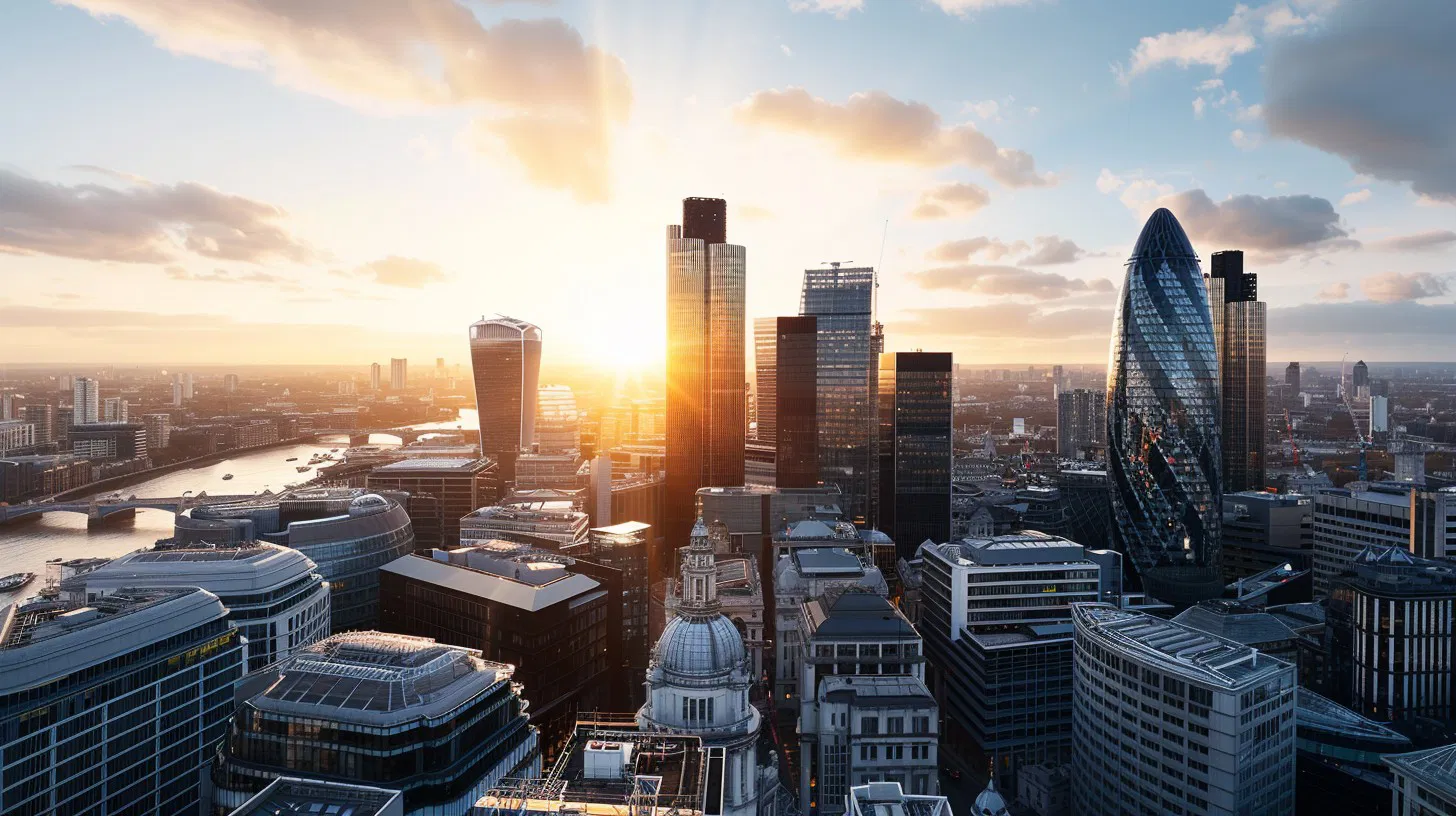
The Square Mile’s built environment is, by any measure, extraordinary in its historical layering. Within a single city block it is entirely possible to encounter a Wren-designed church tower, a Victorian Italianate banking hall, and a Georgian livery hall – all of them listed, all of them in active use, and all of them presenting the cleaning contractor with a set of material sensitivities quite unlike those of a contemporary commercial fit-out. The City of London Corporation records indicate that the Square Mile contains over 600 listed buildings, with a significant proportion rated Grade I or Grade II*. Many of these are not preserved behind barriers or managed as public heritage attractions. They are functioning workplaces – the offices of law firms, financial institutions, and professional associations – where cleaning operatives work routinely and without necessarily being told, or knowing to ask, what regulatory framework governs the surfaces they are maintaining.


Where Cleaning Work Intersects With Listed Building Law

Surfaces, materials, and the risk of irreversible damage

The most direct legal risk for a cleaning contractor in a listed building lies in the potential for irreversible damage to historic fabric. Modern commercial cleaning products are formulated for use on contemporary materials – sealed stone, powder-coated metalwork, ceramic tiles manufactured to industrial tolerances, and synthetic carpet fibres. Historic buildings are built from an entirely different material palette: lime plaster, which is breathable and chemically sensitive; uncoated natural stone, which can be permanently stained or eroded by acid-based cleaners; original timber panelling, which responds very differently to moisture and solvents than modern wood finishes; and decorative metalwork – ironwork, bronze fittings, gilded surfaces – that requires specialist handling to preserve both its appearance and its integrity. The application of an inappropriate cleaning product to any of these surfaces can cause damage that is, in some cases, genuinely irreversible. Under the 1990 Act, causing damage to a listed building – even without intent – can constitute a criminal offence. The threshold for liability is not high, and ignorance of the building’s status is not a legal defence.

Fixtures, fittings, and what “listed” actually covers

The scope of listing protection extends well beyond walls, floors, and ceilings. Original fixtures and fittings that form part of the character of a listed building are covered by its designation – a category that includes encaustic floor tiles, ornate plasterwork cornicing, timber panelling, ironwork balustrades, stained glass, decorative mosaic floors, and carved stone features. For a cleaning operative working without heritage awareness, the distinction between these protected elements and the modern office furniture surrounding them is not necessarily apparent. A Victorian encaustic tile floor in a Livery Company hall and a modern ceramic tile floor in a commercial office may look broadly similar to someone without relevant knowledge. The methods and products appropriate for one are entirely unsuitable for the other – and the consequences of conflating them, in a Grade I listed interior, are potentially severe.

Works that may require listed building consent

Contractors should also be aware that certain cleaning and maintenance activities may, depending on their nature and the sensitivity of the surfaces involved, require listed building consent from the City of London Corporation before they are carried out. This is not a requirement confined to structural alterations or major refurbishment works. The application of chemical treatments to historic stonework, the use of machinery on decorative flooring, or any process that could be judged to affect the character of a listed interior may fall within the scope of works for which consent is required. Listed building enforcement is a matter of criminal law – unauthorised works to a listed building carry the potential for unlimited fines and, in serious cases, custodial sentences. That exposure sits with building owners and occupiers, but a contractor who carries out works without raising the question of consent, or without ensuring that the appropriate permissions are in place, is not insulated from the consequences.


The Specific Context of the City of London

The City of London Corporation and its conservation remit

The City of London Corporation functions as the local planning authority for the Square Mile and approaches its heritage responsibilities with a degree of rigour that reflects the extraordinary concentration of nationally significant buildings within its jurisdiction. Its conservation officers are experienced, active, and routinely involved in advising on – and scrutinising – works proposed within listed buildings and conservation areas. This is not a planning authority where heritage concerns are handled lightly or where enforcement action is unlikely. Contractors working in the City are operating within a jurisdiction where the regulatory environment is genuinely engaged, and where the standard of care expected of those working in or around listed buildings reflects that.

Conservation areas and their additional layer of protection

Beyond individual listed building designations, large parts of the City of London fall within designated conservation areas – defined by the Planning (Listed Buildings and Conservation Areas) Act 1990 as areas of special architectural or historic interest whose character it is desirable to preserve or enhance. Conservation area designation adds a further layer of consideration for contractors, affecting not only work within listed buildings but also activities in the immediate setting – external cleaning of unlisted buildings within a conservation area, for example, or the management of waste and materials in historically sensitive streetscapes. Understanding where conservation area boundaries sit, and what obligations they create, is part of the working knowledge expected of a contractor operating seriously in the Square Mile.


What a Responsible Contractor Should Have in Place

Staff training and heritage awareness

Competence in this context is not reducible to product selection alone. Operatives working in listed buildings should have received explicit briefing – or preferably formal training – on heritage materials, the significance of protected features, and the specific sensitivities of historic fabric. This means understanding not just what products to avoid but why certain surfaces behave the way they do, how to identify materials that require specialist handling, and when to stop and seek guidance rather than proceed on the basis of standard practice. Heritage awareness should be treated as a distinct competency, not an incidental by-product of general cleaning experience.

Pre-contract surveys and method statements

Before commencing work in a listed building, a responsible contractor should carry out – or commission – a pre-contract assessment of the surfaces and materials present. The findings should inform a detailed method statement specifying exactly which products, techniques, and equipment will be used in each area of the building. This document serves two purposes: it is a practical safeguard against inadvertent damage, and it is a demonstration to the building owner, managing agent, or facilities manager that the contractor has engaged seriously with the specific environment. In the event that something does go wrong, a well-constructed method statement also provides an evidential record of the care taken prior to the incident.

Working with conservation officers and specialist consultants

Where uncertainty remains – particularly in Grade I or Grade II* buildings with highly sensitive interiors – the appropriate professional response is to seek guidance before work begins, not after damage has occurred. The City of London Corporation’s conservation team is a legitimate resource for contractors and building managers with genuine questions about what activities are permissible within a specific listed building. Independent heritage consultants can carry out more detailed material assessments where the situation warrants it. Treating that consultation as a routine risk management step, rather than an exceptional or burdensome measure, is the mark of a contractor who understands the environment they are working in.


The Professional and Commercial Upside of Getting This Right

The compliance argument for understanding listed building restrictions is clear – but it is worth making the commercial argument equally plainly. The City of London’s client base is not generic. Law firms, financial institutions, Livery Companies, private members’ clubs, and the professional associations headquartered in the Square Mile’s historic buildings represent some of the most demanding and reputation-conscious organisations in the country. They cannot afford – reputationally, financially, or legally – to appoint contractors who carry heritage risk. A contractor who can demonstrate genuine working knowledge of listed building requirements, heritage materials, and the City of London’s planning framework is positioned to serve that client base with confidence. One who cannot is, in this particular jurisdiction, operating with a professional gap that the buildings themselves have a way of exposing.…

Why Your London Office Carpet Is a Bacterial Hotspot – And How Professional Deep-Cleaning Fixes It

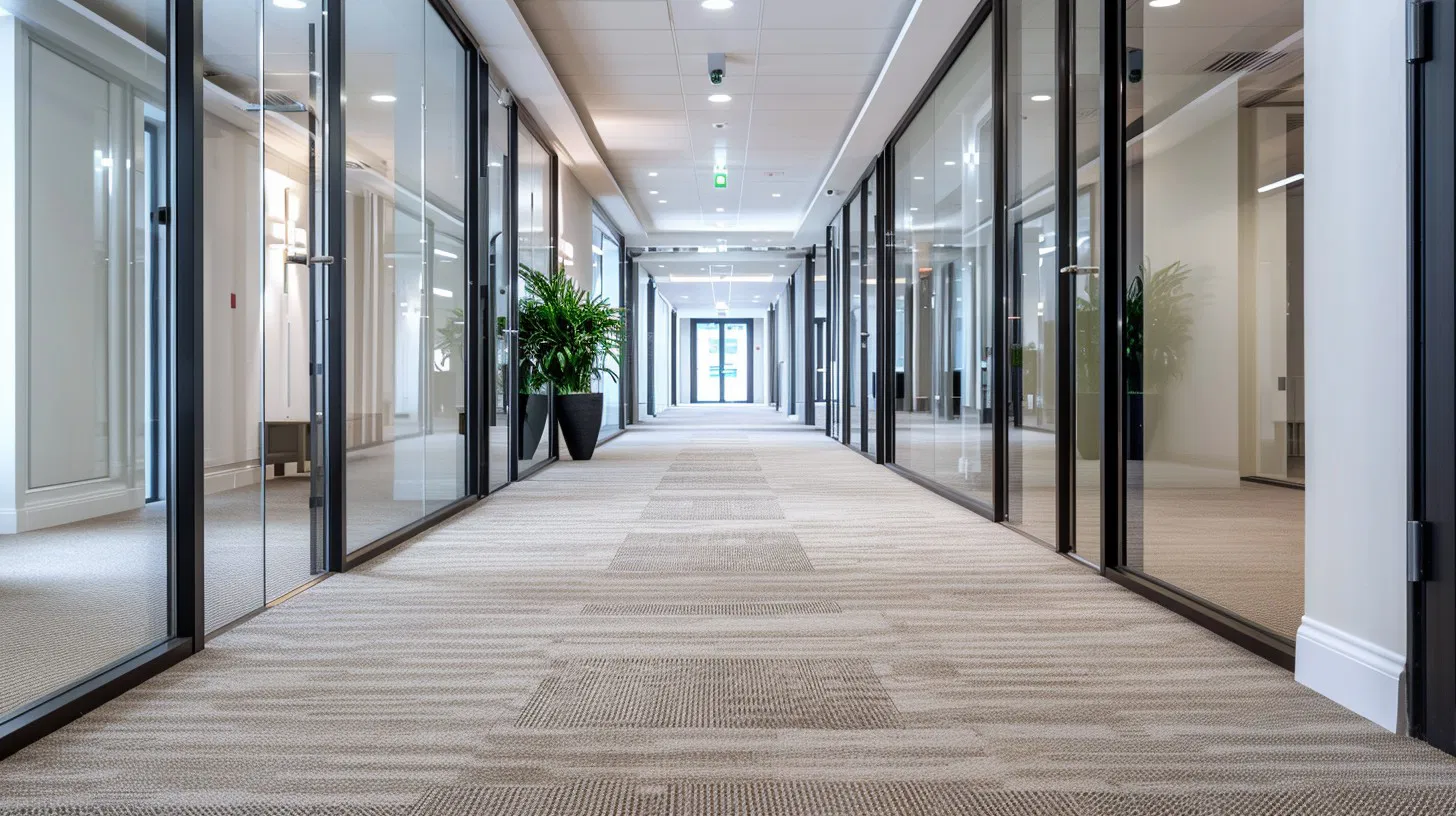
Yes, your office carpet almost certainly is harbouring bacteria – and in far greater quantities than most facilities managers or business owners would care to imagine. The floor beneath your colleagues’ feet is not simply a surface that gathers dust and the occasional coffee spill. It is a complex micro-environment, one that traps moisture, organic matter, and microbial life with remarkable efficiency, and that continues to do so with every working hour that passes without professional intervention. In a London office – where high footfall, dense occupancy, and the particular grime of a major commuter city all converge – carpeted floors face conditions that accelerate contamination well beyond what most people would assume. This article sets out exactly why that happens, what is actually living in your carpet, and what professional deep-cleaning does that routine maintenance simply cannot replicate.


The Numbers Don’t Lie: Just How Dirty Is Your Office Carpet?

Bacteria counts that will make you think twice

The statistics around carpet contamination are, to put it plainly, startling. Research by microbiologists has found that the average office carpet can harbour up to 200,000 bacteria per square inch – roughly 4,000 times more than the average toilet seat. That figure does not reflect a particularly filthy outlier; it is a reflection of how carpet fibres fundamentally function. Unlike hard flooring, carpet acts as a reservoir, trapping particulates, moisture, and organic debris deep within its pile where neither foot traffic nor routine cleaning can reach them. Contamination builds in layers over time, and the longer a carpet goes without professional attention, the more established – and the more varied – those bacterial colonies become. By the time a carpet looks noticeably dirty, it has typically been microbiologically compromised for months.

What’s actually living in there

The microbial cast list found in office carpets is as unpleasant as it is varied. Common inhabitants include Staphylococcus aureus, which can cause skin infections and respiratory irritation; E. coli, introduced via shoes that have contacted contaminated outdoor surfaces; and Norovirus, which is capable of surviving on soft furnishings for several days. Beyond bacteria, carpets accumulate mould spores – particularly in areas prone to moisture, such as near entrances or beneath desks with poor air circulation – alongside dust mite colonies, which thrive on the steady supply of shed human skin cells that carpet pile collects. For staff spending eight or more hours a day in these environments, the implications for respiratory health, allergy symptoms, and general wellbeing are far from trivial.


Why London Offices Have It Worse

The commuter effect

London presents a set of contamination challenges that offices in smaller cities or towns simply do not face to the same degree. The average London commuter spends a significant portion of their daily journey on the Underground – an environment that researchers have identified as carrying its own distinct bacterial communities, alongside elevated levels of metal particulates and pollution residue generated by the interaction of brakes, rails, and tunnels. All of that travels into the office on shoes, clothing, and bags, and a meaningful proportion of it is ground directly into the carpet within the first few steps through the door. Compounding this, central London streets rank among the most polluted in Europe, meaning the particulate load tracked in from outside is consistently higher than what a comparable office in a less urban setting would experience.

Dense workspaces and shared surfaces

The structure of the modern London office compounds the problem considerably. Open-plan layouts and hot-desking arrangements, now standard across much of the capital’s commercial stock, mean that more people occupy the same carpeted space than a traditionally partitioned office would have permitted. Higher occupancy density translates directly into higher volumes of shed skin cells, food debris, and moisture from spilled drinks, ambient breath, and perspiration – precisely the organic materials that sustain bacterial growth at carpet level. The carpet beneath a busy hot-desk cluster, a well-trafficked corridor, or a shared kitchen area is working far harder, and accumulating contamination considerably faster, than its surface appearance would typically suggest.

The false security of regular vacuuming

It is worth being direct on this point: nightly vacuuming, however conscientiously performed, does not make an office carpet hygienic. Vacuum cleaners are effective at removing surface-level debris – the visible crumbs, dust, and loose fibres that settle on the uppermost layer of the pile. They are not, however, capable of extracting the bacteria, allergens, and organic compounds that have worked their way into the deeper layers of the carpet or bonded to individual fibres. A carpet that is vacuumed every night but never professionally deep-cleaned is one that looks reasonably presentable but remains, at the microbial level, heavily contaminated. Regular vacuuming is a necessary part of office maintenance – but it is not, and was never designed to be, a substitute for periodic professional cleaning.


The Science of Deep-Cleaning: What Actually Works

Hot water extraction

Hot water extraction – commonly referred to, if somewhat loosely, as steam cleaning – is the industry’s recognised gold standard for commercial carpet cleaning, and the reasons are straightforward. The process involves injecting heated water at high pressure deep into the carpet pile, where it agitates and dislodges the compacted debris, bacterial matter, and allergen deposits that conventional cleaning methods leave entirely undisturbed. A powerful extraction head then draws the water – and everything it has mobilised – back out of the carpet, removing contamination that has built up over months or years of use. The combination of heat, pressure, and suction addresses the problem at the fibre level, not merely at the surface. A common concern is that hot water extraction leaves carpets wet and out of service for extended periods; in practice, professional-grade equipment extracts the vast majority of moisture during the process itself, with most commercial carpets fully accessible within two to four hours.

Pre-treatment and agitation

Professional deep-cleaning does not begin with the extraction machine. In the hands of a reputable contractor, the process starts with the application of commercial-grade pre-treatment solutions – products that are significantly more effective than anything available on the consumer market. These solutions are formulated to penetrate the carpet pile and begin breaking down organic matter before hot water extraction takes place: the proteins present in food debris, the lipids in skin cells, and the biofilms that bacteria construct around their colonies as a form of protection. Pre-treatment is followed by mechanical agitation using professional grooming tools that work the solution deep into the fibre structure. This two-stage approach – chemistry first, extraction second – is precisely what separates a professional deep-clean from a hired domestic machine operated without specialist knowledge.

Drying protocols and why they matter

One detail that consistently distinguishes a professional contractor from a careless operator is the management of drying after the cleaning process. A carpet that retains significant moisture for an extended period following extraction creates near-ideal conditions for mould proliferation and secondary bacterial growth – potentially leaving it in a worse microbiological condition than before cleaning began. Professional contractors address this through the use of industrial air movers, positioned to accelerate evaporation and ensure that the carpet dries fully and uniformly. Scheduling is an equally important consideration: in commercial environments, deep-cleaning sessions are planned for evenings or weekends to allow the maximum possible drying time before the space returns to full occupancy, eliminating the risk of prolonged moisture retention.


The Business Case: Beyond Hygiene

Staff health, sick days, and productivity

Poor indoor air quality is one of the more underappreciated drivers of workplace absenteeism, and carpets are a significant contributor to it. Elevated allergen levels – dust mites, mould spores, and particulate matter of the kind that carpet pile accumulates in abundance – have been linked in occupational health research to increased incidence of respiratory symptoms, allergy flare-ups, and general fatigue among office workers. The relationship between a cleaner internal environment and a healthier, more productive workforce is not merely intuitive; it has measurable implications for sick-day frequency and sustained concentration. For any London business with a genuine interest in staff performance and wellbeing, the condition of the office carpet is a more relevant operational variable than it is typically given credit for being.

Impressions, clients, and professional standards

Beyond the health dimension, there is a straightforward matter of professional presentation. Carpet condition is one of the first things a visitor to an office registers – often entirely unconsciously. A carpet carrying visible soiling, an embedded odour, or the dull, matted appearance of pile that has not been properly restored creates an impression that no quantity of smart furniture or carefully considered branding can fully offset. For client-facing London offices – where the stakes of a first impression carry real commercial weight – the state of the floor covering is a meaningful component of the environment’s overall message. A well-maintained carpet quietly signals the same attention to detail and professional standards that clients are being invited to trust across every other dimension of the business.


How Often Should a London Office Carpet Be Professionally Deep-Cleaned?

Recommended frequency varies according to a number of practical factors: the volume of daily foot traffic, the size of the workforce, the nature of the space, and whether food is regularly consumed at desks or in open-plan areas. As a general baseline, most central London offices benefit from professional deep-cleaning twice a year – before the wetter autumn and winter months, when outdoor contamination is tracked inside at a higher rate, and again in spring as usage patterns shift with the season. High-traffic zones – reception areas, main corridors, and communal kitchen spaces – warrant more frequent attention, with quarterly professional cleaning a reasonable standard for the busiest areas. Back-office spaces with lighter foot traffic may comfortably operate on a twice-yearly schedule. The key measure should not be visual appearance but hygiene: by the time a carpet looks dirty, the bacterial load has typically been building, unchecked, for considerably longer than is acceptable.…

6 Office Areas Everyone Forgets to Clean (But We Never Do)

The Dirt You Don’t See Is the One That Gets You

I once walked into an office that looked spotless. Shiny floors. Polished desks. Air freshener doing its best lavender impression. But five minutes in, I spotted a trail of biscuit crumbs under a swivel chair. Behind the bin? Sticky spill. On top of the cabinet? Thick, grey dust.

It’s not just about what you see. Offices hide dirt in places no one thinks to check. That’s where we come in.

We’ve been cleaning offices across London for years now, and we know exactly where grime likes to settle. These are the six spots most people miss—often because they’re tucked away or no one thinks to wipe them down. But these bits matter. They affect air quality, hygiene, and even how your office smells.

Let’s lift the lid, shall we?


1. The Undersides of Chairs and Desks

People clean desktops. They wipe their computer screens. But under the desk? That’s no man’s land.

Take a peek under any shared desk and you’ll likely find dust webs clinging to cables, old sticky notes, and the occasional bit of chewing gum. Chair bases are just as bad. They collect hair, crumbs, and whatever’s fallen during lunch breaks.

Here’s the problem—dust doesn’t stay still. It moves with your chair. It floats into the air you breathe. It gathers on your clothes. And if someone’s got allergies? Say goodbye to productivity.

We always clean underneath. It takes an extra minute, but it makes all the difference.


2. Light Switches, Door Handles, and Lift Buttons

These are the busiest little surfaces in the entire office. Touched by dozens, maybe hundreds of hands each day. And yet, they’re often skipped.

I’ve seen offices where the desks gleamed but the door handle had fingerprints dating back to last quarter. The thing is, these high-touch points are where germs love to party. And no, a once-a-week wipe with a baby wipe isn’t cutting it.

Regular sanitising keeps the bugs at bay. Flu season? Cold going around? Start with the handles and switches.

We go over these spots every single visit—because we’ve learned the hard way what happens when you don’t.


3. Printer Stations and Photocopiers

Now this one’s personal. I once leaned on a photocopier and my sleeve came away with toner dust and something suspiciously sticky. Never again.

Printer areas are magnets for mess. People spill coffee, drop paperclips, and leave behind snack wrappers. The machines themselves collect greasy fingerprints and the occasional trail of biscuit crumbs from someone printing out last-minute notes with their lunch in hand.

Why does it matter? Dust clogs vents. Spills attract pests. And it makes your shiny new copier look like it’s been dragged through a pub car park.

We always wipe around the area, vacuum under the table, and give the machine a gentle polish. No more sleeve mishaps.


4. Behind and Underneath the Bins

You can empty the bin all you want—but if you don’t clean the floor around it, you’re inviting trouble.

Leaky bags. Coffee spills. Banana peels that missed. We’ve seen it all. Bacteria love these moist, hidden corners, and once they settle in, they bring a stink that no air freshener can hide.

I once lifted a bin and found what looked like an old yoghurt pot… fused to the carpet.

We always lift, wipe, and sanitise underneath. It keeps things fresh and stops that musty smell from creeping in. Clients don’t always notice it at first—but they definitely notice when it’s not done.


5. The Tops of Cabinets, Shelves, and Cupboards

Unless you’ve got a tall colleague or a spider infestation, no one’s checking up there.

That’s why dust builds up. Thick, grey, undisturbed fluff that sits on top of filing cabinets, wall units, and cupboard tops like it’s paying rent. Left alone, it filters into the air and finds its way down into noses and lungs.

We bring long-handled dusters and make sure even the top shelf gets some love. If we can reach it, we clean it. If we can’t reach it safely—we bring the step ladder.

This one’s about pride, really. If you’re going to clean an office, clean the whole thing.


6. Office Plant Pots and Artificial Greenery

Office plants are supposed to bring calm. You know what doesn’t? A sad, dusty peace lily with cobwebs in its leaves.

Real plants need a wipe down now and then. Dust clings to their leaves and dulls their colour. And the soil? That can start to smell if overwatered. I once found mould creeping up the side of a neglected ficus. Not pretty.

Fake plants are even worse—they collect dust like it’s a hobby. We use microfibre cloths or soft brushes to keep them looking fresh.

They might be decorative, but they’re part of the office environment. We treat them like furniture—with respect and regular care.


The Small Stuff Isn’t That Small

These six areas don’t seem dramatic. They’re not where meetings happen or deals are closed. But they’re part of the space your team lives in every day. And if they’re dirty, the whole place feels off.

The worst bit? Most cleaning checklists don’t even mention them.

We clean differently. We notice the forgotten bits. We check under, behind, and above. We clean like people who’ve seen what happens when no one does.

That’s what makes the difference between a quick once-over and a truly clean office.

How to Use Eco-Friendly Cleaning Products in Your London Office

Eco-Friendly Cleaning Products refer to cleaning agents made from environmentally friendly ingredients and produced using sustainable practices with minimal environmental impact. These products are designed to be biodegradable, non-toxic, and safe for human health and the planet. Using eco-friendly cleaning products helps reduce exposure to harmful chemicals, minimises pollution, and promotes a healthier living environment.

If you’re looking for a way to keep your London office clean, green, and sustainable, let’s explore the perks of using eco-friendly cleaning products. These products benefit the planet and contribute to your team’s health by lowering the environmental footprint and enhancing indoor air quality.

I’ll guide you on selecting the best eco-friendly cleaning products and share handy tips on seamlessly integrating them into your office cleaning regimen. Learn how to make a difference by maintaining a spotless and healthy workspace!

When you use eco-friendly cleaning products, you choose natural ingredients that are safe for the environment and your health. These products have biodegradable ingredients, so they break down easily without harming the ecosystem. Plus, they’re free from harsh chemicals like phosphates and chlorine, which makes them gentle on surfaces and the air you breathe.

By switching to these non-toxic options, you’re reducing your exposure to harmful substances and lowering the risk of allergic reactions or respiratory issues. This trend towards eco-friendly cleaning products goes hand in hand with the increasing awareness of sustainability and the desire to safeguard our planet for future generations.

Benefits of Using Eco-Friendly Cleaning Products in Your London Office

When you use eco-friendly cleaning products in your London office, you’re not just keeping things tidy but also reaping many benefits. You’ll be making your workplace healthier, supporting green cleaning habits, and doing your part to be more environmentally conscious.

Environmental Benefits

When you choose to use eco-friendly cleaning products, you’re not just cleaning your space – you’re also helping the environment in a big way. By opting for these products, you reduce your carbon footprint and use materials that break down quickly, lowering pollution levels in waterways and ecosystems. Eco-friendly cleaning products contain natural ingredients that are gentle on the environment and wildlife. The manufacturing process of these products often uses renewable energy sources, which is a win-win for sustainability. So, when you go green with your cleaning routine, you’re not just benefiting your health; you’re also playing a part in creating a healthier planet for the next generation.

Health Benefits

Switching to eco-friendly cleaning products can offer many health benefits. They help you create a healthier workplace by ditching harmful, toxic chemicals. These natural cleaning products are made with non-toxic ingredients that clean effectively and lower the risk of respiratory issues, skin irritations, and allergic reactions for you and your employees.

By choosing eco-friendly cleaning solutions, you can nurture a safer environment for your staff, customers, and the planet. Plus, since these products are biodegradable, they leave minimal environmental impact, making them a sustainable choice for keeping your commercial spaces clean.

Recommendations for Choosing Eco-Friendly Cleaning Products

When selecting eco-friendly cleaning products, consider sustainability, choose trusted eco-friendly brands, and explore the different environmentally friendly options available.

Key Factors to Consider

When choosing eco-friendly cleaning products, keep a few important things in mind. Look for products that have eco-friendly certifications, use natural ingredients, and are non-toxic. These factors all play a significant role in supporting sustainable cleaning practices.

It’s essential to choose cleaning products that have those eco-friendly certifications. This ensures that they meet specific environmental standards and regulations. By opting for products with natural ingredients, you’re reducing your exposure to harmful chemicals and helping reduce synthetic substances in the environment. Plus, with their non-toxic properties, these cleaning solutions are safe for you and the planet. It’s about a more sustainable approach to keeping things clean and hygienic.

How to Incorporate Eco-Friendly Cleaning Products in Your Office Cleaning Routine

When you start incorporating eco-friendly cleaning products into your office cleaning routine, you’ll see a significant improvement in your green practices. It’ll make your office cleaning more eco-conscious and efficient.

Practical Tips and Strategies

If you want to make your cleaning routine more eco-friendly, here are some practical tips and strategies you can try out. Start by using eco-friendly cleaning techniques and investing in eco-friendly equipment.

  • Why not switch to natural cleaning ingredients like vinegar, bicarbonate of soda, and lemon? They can help you create safe, non-toxic cleaning solutions and get the job done.
  • Try using microfibre cloths and mops instead of disposable paper products. This simple change can make your cleaning routine more sustainable.
  • Don’t forget to keep proper ventilation in your office space. It can help improve indoor air quality and reduce the need for harmful chemicals in your cleaning process.

Cost Comparison: Eco-Friendly vs. Traditional Cleaning Products

When you compare the costs of eco-friendly cleaning products to traditional ones, you’ll notice that even though eco-friendly options might have a higher upfront price, they usually save you money in the long run and boost your ROI.

Long-Term Savings and ROI

When you invest in sustainable cleaning solutions, you’re not just doing good for the environment – you’re also saving yourself some serious cash in the long run and getting a solid return on your investment (ROI). Choosing eco-friendly cleaning products is a smart financial move for businesses like yours.

By going green with your cleaning supplies, you’re not just cutting costs over time but also showing the world that you care about the planet. Sustainable cleaning solutions are made with fewer resources and are designed to minimise waste, so you’ll spend less on raw materials and disposal. Adopting eco-friendly cleaning practices can boost your company’s reputation, attracting environmentally conscious customers and stakeholders. This can give you an edge in the market and bring long-lasting financial benefits.

Final Thoughts and Recommendations

By adopting eco-friendly cleaning practices in your office, you’re reaping a ton of benefits and also supporting sustainable cleaning recommendations and green office initiatives.

When you switch to eco-friendly cleaning products, you’re doing both the environment and everyone in your office a solid. These products contain natural ingredients that are non-toxic, biodegradable, and safe for both humans and pets.

With these eco-friendly options, you can wave goodbye to indoor air pollution, prevent allergic reactions, and create a healthier workspace. Sustainable cleaning practices are also a win for everyone. They help save natural resources, reduce waste, and support a more sustainable ecosystem. It’s a smart move that benefits both your office and the planet.…

Everything You Need To Know About Office Hard Floor Cleaning

Are you tired of dealing with dirty, dull, hard floors in your office? If so, you’ve come to the right place!

Today, we’ve asked our top experts to cover everything you need to know about office hard floor cleaning. From the importance of maintaining clean floors to the different types of hard floors commonly found in offices, we will explore the various cleaning methods and factors to consider before choosing a cleaning method.

Stay tuned to learn the proper office hard floor cleaning steps and ensure your workspace is sparkling clean.

Why Is Office Hard Floor Cleaning Important?

Maintaining clean hard floors in office settings ensures a hygienic and professional working environment. Regular cleaning and maintenance not only enhance the appearance of the workspace but also contribute to the safety and well-being of employees and visitors.

Clean floors help prevent slips, trips, and falls, reducing the risk of accidents that could lead to injuries. Employees feel more confident walking on well-maintained floors, fostering a sense of security within the office.

A clean work environment has been linked to increased employee productivity, as it creates a more organised and pleasant setting that can boost motivation and focus. The overall image of the office is also positively affected when floors are spotless and gleaming, leaving a lasting impression on clients and visitors.

What Are The Different Types Of Hard Floors?

Hard floors come in various types and require specific cleaning techniques and maintenance approaches. Common hard floor types in office spaces include tile, vinyl, wood, concrete, and laminate.

  1. Tile floors are a popular choice due to their durability and ease of maintenance. They should be swept or vacuumed regularly to prevent the buildup of dirt and debris.
  2. Vinyl floors are cost-effective and straightforward with a damp mop and gentle cleanser.
  3. Wood floors add warmth and elegance but may need occasional refinishing to keep them looking their best.
  4. Concrete floors are sturdy but must be sealed periodically to protect against stains.
  5. Laminate floors are versatile and easy to clean, requiring regular sweeping and periodic mopping with a damp cloth.

Vinyl Floors

Vinyl floors are popular for office settings due to their durability and low maintenance requirements. A regular cleaning schedule is essential to prevent stains and maintain their appearance.

Regular sweeping or vacuuming can help remove dirt and debris that can scratch the vinyl’s surface. Mopping with a mild detergent and warm water is also recommended to keep the floors clean. Water and vinegar can be an effective DIY cleaner for tougher stains like ink or food spills. It is important to avoid abrasive cleaners or wax-based products, as they can damage the vinyl. Placing doormats at entryways can help prevent dirt and grit from being brought onto the floor, further preserving its quality.

Tile Floors

Tile floors are a versatile option for office hard flooring, known for their resilience and aesthetic appeal.

They provide a sleek and professional look to any workspace, making them popular among commercial property owners. Buffing and polishing play a crucial role in maintaining the glossy finish of tile floors, eliminating scratches and scuff marks that can dull the surface over time. Applying floor protection products like sealants or wax coatings can shield against stains, moisture, and heavy foot traffic, preserving the longevity of the tile flooring despite constant use in high-traffic areas.

Hardwood Floors

Hardwood floors add a touch of elegance to office spaces but require regular maintenance to preserve their beauty. A maintenance checklist for hardwood floors should include sealing to protect the wood and establishing a comprehensive floor care routine.

Neglecting the maintenance of hardwood floors can lead to issues such as scratches, warping, and fading over time. To maintain their lustre, it is essential to sweep or vacuum regularly to remove dirt and debris that could damage the surface. Using a damp mop with a gentle cleaner specifically designed for hardwood floors can help to clean without causing any damage. It’s crucial to avoid harsh chemicals or excessive water, as these can harm the wood finish.

Laminate Floors

Laminate floors offer a cost-effective and easy-to-maintain flooring solution for offices. Using appropriate cleaning solutions is essential for laminate floor restoration, leading to a glossy finish that enhances the overall aesthetics of the workspace.

These floors are durable and resistant to stains and scratches, making them ideal for high-traffic areas like office spaces. With their seamless look and variety of designs, laminate floors can elevate the professional appearance of any workplace.

To maintain the shine and protect the surface, it’s essential to use gentle cleaning solutions specifically formulated for laminate floors. Regular sweeping or vacuuming followed by a damp mop with a mild detergent solution can help keep the floors spotless. Achieving a glossy finish involves using polish or wax sparingly to prevent buildup and maintain the lustre of the laminate surface.

Concrete Floors

Concrete floors are a durable and versatile flooring option for high-traffic commercial space areas. Maintaining non-slip surfaces on concrete floors is essential for the health and safety of occupants while managing a cleaning budget effectively.

In office environments, where foot traffic is constant, the durability of concrete floors shines, making them ideal for spaces that require a sturdy foundation. The non-slip characteristic of concrete ensures that employees and visitors can walk safely without slipping, minimising accidents and potential injuries.

Regular sweeping and mopping can go a long way in preventing dirt and debris buildup to maintain the cleanliness and longevity of concrete floors without breaking the budget. Protective coatings or sealants can enhance the floor’s resistance to stains and wear, extending its lifespan.

What Are The Common Cleaning Methods For Hard Floors?

Various cleaning methods are employed to maintain hard floors in office spaces effectively. These methods include hoovering to remove debris, mopping to eliminate dirt, scrubbing for deep cleaning, and polishing to restore shine and lustre.

Regular hoovering is crucial for preventing dirt and debris from accumulating on hard floors, ensuring a clean and presentable surface.

When mopping, using a suitable cleaner and a proper technique helps remove stubborn stains and grime effectively.

Scrubbing with a suitable brush or scrubber can target tough spots and grout lines for a deeper clean.

Periodic polishing not only restores the floor’s shine but also helps in protecting the surface from wear and tear.

Sweeping and Mopping

Sweeping and mopping are fundamental cleaning techniques for hard floors that help maintain cleanliness and hygiene in office environments. Implementing efficient and green cleaning practices can enhance the disinfection process.

Regularly sweeping and mopping removes dust and dirt and prevents scratches and wear on the floor surface, prolonging its lifespan. Using microfibre mops and eco-friendly cleaning solutions promotes sustainability while effectively cleaning and disinfecting the floors. Green cleaning practices reduce exposure to harmful chemicals, creating a safer and healthier workspace for employees. Thorough disinfection of floors eliminates germs, bacteria, and viruses, reducing the risk of illnesses spreading among staff members and visitors.

Vacuuming

Vacuuming is a crucial step in the hard floor cleaning process, as it efficiently removes dust, dirt, and debris. Integrating vacuuming into the floor care routine, maintaining cleaning equipment, and ensuring proper surface preparation is vital for effective cleaning.

Regular vacuuming removes visible particles and prevents scratching and wearing of the flooring surface due to abrasive materials. By including vacuuming in your routine, you can extend the lifespan of your hard floors and preserve their immaculate appearance.

Proper maintenance of vacuum cleaners, such as regularly emptying the dust bags or filters and checking for any blockages, ensures optimal performance. Sufficient surface preparation, including sweeping and dusting before vacuuming, guarantees a comprehensive cleaning process and enhances the overall cleanliness of your hard floors.

Steam Cleaning

Steam cleaning is an effective method for deep cleaning hard floors in office spaces, utilising specialised equipment to achieve thorough and efficient results. Targeting high-traffic areas with steam cleaning can help prevent stains and maintain the floor’s pristine condition.

Using steam cleaning regularly in these areas removes visible dirt and grime and eliminates hidden bacteria and allergens that can compromise the cleanliness and air quality of the office environment.

The high temperature of the steam not only sanitises the floors but also helps to break down stubborn stains and sticky residues, leaving the surface hygienic and free from chemical residues often found in traditional cleaning products.

Employing steam cleaning for hard floors is environmentally friendly due to its chemical-free nature and cost-effective in the long run, as it reduces the need for frequent professional cleaning services.

Scrubbing and Polishing

Scrubbing and polishing are essential in maintaining hard floors; floor maintenance equipment is required for thorough cleaning. Incorporating these tasks into routine cleaning, performing floor inspections, and achieving a glossy finish are vital aspects of effective hard floor maintenance.

Regularly scrubbing and polishing hard floors helps remove dirt and grime and enhances their longevity and appearance. To ensure a high-quality finish, it is advisable to invest in suitable floor maintenance equipment such as scrubbers, polishers, and microfibre mops. By incorporating these tools into your cleaning regimen, you can easily tackle stubborn stains and maintain a hygienic environment.

Regular floor inspections allow you to spot issues early on, preventing potential damage and ensuring the safety of your floors. This proactive approach also contributes to achieving a shiny and attractive finish that leaves your floors looking pristine.

What Are The Factors To Consider Before Choosing A Cleaning Method?

Selecting the appropriate cleaning method for hard floors necessitates considering several factors, such as the type of floor, the amount of foot traffic, budget constraints, and the preference for green cleaning practices. These factors influence the effectiveness and sustainability of the chosen cleaning technique.

The type of hard floor plays a crucial role in determining the most suitable cleaning approach. For example, a tile floor may require different cleaning products and methods than a hardwood floor. The intensity of foot traffic on the floor is another pivotal factor to consider. High-traffic areas may need more frequent and thorough cleaning to maintain hygiene and appearance. Budget considerations also come into play, as cleaning products and equipment costs vary significantly.

Incorporating green cleaning practices benefits the environment, provides healthier indoor air quality, and reduces the risk of exposure to harsh chemicals.

Type of Hard Floor

The type of hard floor in an office space plays a significant role in determining the suitable cleaning method. Utilising floor cleaning machines, floor polishing tools, or professional cleaning services may be necessary based on the specific requirements of the floor material.

For example, for high-traffic areas such as a lobby with ceramic tile flooring, machine scrubbing with a heavy-duty cleaner and periodic buffing with a floor polisher can help maintain its shine. In contrast, for hardwood floors in executive offices, a gentler approach involving microfiber mops and specialised wood floor polish can effectively preserve the wood’s natural beauty. Engaging professional cleaning services can ensure that intricate floor patterns, like those seen in marble or terrazzo floors, are properly cleaned and maintained without risking damage.

Amount of Foot Traffic

The volume of foot traffic in an office area determines the cleaning frequency and strategy required to maintain the hard floors effectively. Implementing suitable cleaning chemicals, establishing maintenance procedures, and emphasising efficiency are essential for high-traffic areas.

Understanding the impact of foot traffic is pivotal as it accelerates wear and tear on the floors and increases the chances of dirt and debris accumulation. Floors in high-traffic zones require a proactive approach to maintenance to ensure a clean and safe environment. Choosing the right cleaning chemicals, such as neutral pH cleaners or enzymatic solutions, is crucial for effectively breaking down stubborn soils without harming the floor surface.

Regular sweeping, mopping, and spot-cleaning are integral to maintaining areas prone to heavy foot traffic.

Budget

Budget constraints are crucial in determining the feasibility of different cleaning methods for hard floors in office settings. Investing in quality cleaning tools, establishing a suitable cleaning schedule, and adhering to cleaning standards within the allocated budget are essential for effective maintenance.

When considering budget limitations, opting for cost-effective cleaning tools such as microfibre mopsreusable cleaning cloths, and environmentally friendly cleaning solutions can help maximise efficiency without compromising cleanliness.

By strategically planning a cleaning schedule that aligns with the frequency and intensity of foot traffic, office managers can ensure that maintenance tasks are carried out promptly while optimising resources.

It is imperative to balance maintaining cleanliness standards and managing costs to create a sustainable and healthy work environment.

What Are The Steps For Proper Office Hard Floor Cleaning?

structured approach to office hard floor cleaning is essential for achieving optimal results. The process involves:

  1. Clearing the area
  2. Removing debris and dust
  3. Choosing and applying appropriate cleaning solutions
  4. Scrubbing and rinsing the floor
  5. Concluding with drying and buffing to ensure a pristine finish

Before cleaning, it is crucial to visually inspect the floor to identify any stains or stubborn spots that may require specialised treatment. Addressing these challenging areas with targeted cleaning methods will provide a more thorough overall cleaning.

consistent cleaning schedule ensures that the floors are maintained regularly, preventing the buildup of dirt and grime that can lead to long-term damage. Implementing protective measures such as using mats at entrances and applying sealants can help prolong the lifespan of the flooring and maintain its aesthetics.

Clearing the Area

Before cleaning, clearing the area of obstacles and furniture is essential to ensure unrestricted access to the hard floor surface. Implementing stain removal techniques, observing safety precautions, and utilising eco-friendly cleaning products contribute to an environmentally conscious cleaning approach.

Removing impediments from the floor space allows for a thorough and efficient cleaning process.

Stain removal practices, such as blotting spills immediately and using appropriate cleaning solutions for different types of stains, help maintain the floor’s pristine condition.

Safety measures, such as wearing protective gear and ensuring proper ventilation during cleaning, safeguard the cleaner and the indoor environment.

Choosing eco-friendly products minimises harmful chemical exposure and promotes sustainability by reducing environmental impact.

Removing Debris and Dust

The initial step in hard floor cleaning involves removing accumulated debris and dust particles to prepare the surface for thorough cleaning. Prioritising efficiency, following a maintenance checklist, and ensuring health and safety standards are critical aspects of this cleaning stage.

Efficient debris removal enhances the overall cleanliness of the space and plays a vital role in preventing slips, trips, and falls caused by scattered debris on hard floors. By adhering to a maintenance checklist, individuals can ensure that all areas are adequately addressed during cleaning. Health and safety considerations, such as wearing appropriate protective gear and using non-toxic cleaning products, create a safe environment for the cleaning personnel and the space’s occupants.

Choosing and Applying a Cleaning Solution

Selecting the appropriate cleaning solution based on the floor type and condition is crucial for achieving effective cleaning results. Performing a floor inspection, adopting green cleaning practices, and prioritising sanitisation contribute to maintaining a hygienic and visually appealing hard floor surface.

By carefully assessing the floor’s material and any specific cleaning requirements, one can ensure that the chosen solution effectively removes dirt and grime without causing damage. Conducting a thorough inspection before cleaning allows for targeted treatment of stains or problem areas, leading to a more thorough cleaning process.

Embracing green cleaning practices benefits the environment and promotes a healthier indoor atmosphere, free from harsh chemicals. Sanitisation is crucial in eliminating germs and bacteria, making the space safe for inhabitants.

Scrubbing and Rinsing

Scrubbing the hard floor surface thoroughly and rinsing off the cleaning solution is essential to removing stubborn stains and dirt. Prioritising surface preparation, implementing stain prevention measures, and ensuring cleaning efficiency are critical elements of this cleaning phase.

By starting with surface preparation, you are setting the foundation for a successful cleaning process. It involves removing loose debris and dust to prevent them from spreading during scrubbing. Once the surface is ready, apply a suitable cleaning solution and scrub using a scrub brush or mop in circular motions. Pay special attention to high-traffic areas and any visible stains. Rinse the floor thoroughly with clean water to remove all traces of the cleaning solution. To prevent future stains, consider using rugs or mats in entryways, applying sealants, and addressing spills promptly.

Drying and Buffing

Drying the cleaned hard floor surface thoroughly and buffing to restore shine are the final steps in the cleaning process. Incorporating these tasks into the floor care routine, ensuring health and safety standards, and achieving a glossy finish contribute to a visually appealing and well-maintained office environment.

Properly drying the floor after cleaning helps prevent the growth of mould and bacteria, which can thrive in moist environments. Buffing the floor enhances its appearance and longevity by reducing wear and tear. It’s essential to consider safety measures during these processes, such as using caution signs to alert individuals of wet floors.

To achieve a professional finish, consider investing in high-quality buffing equipment and using compatible sealants or finishes to protect the surface while enhancing its shine.…

Why Do Successful Cleaning Companies Choose Top-tier Equipment?

A proven professional cleaning company in London is more relevant than most successful counterparts in smaller cities. The main reason is always rooted in the company’s philosophy and work organisation. If the team provides a sufficiently competent and efficient service, it enjoys a favourable rating among users and is sought after and preferred.

In pursuit of this goal, hygienists rely on technical equipment. Moreover, their success depends on their equipment’s functionality and parameters more than on the formula of the detergents.
That is why successful companies in cleaning invest in the latest developments of the most famous manufacturers of washing, dusting and polishing machines.

More cleaning services in the name of consumer comfort

The multifunctional cleaning machine has enormous advantages. The advantage of economic orientation is manifested in the possibility of many additions to the portfolio of cleaning procedures. Most services also mean more convenience for customers.

Some procedures go beyond the professional framework, “courting” the user by refreshing and purifying the indoor air. A healthier lifestyle and allergen-free fresh air are vital.

On-site washing, drying and disinfection

Modern technology is the parent of the on-site laundry service – a revolutionary advancement in cleaning that helps protect and preserve delicate flooring and tiling. It would not be possible without extractor vacuum cleaners’ “drying” function, which leaves almost dry surfaces, extracting 90% of moisture after washing.

Deep washing is also a patent of modern washing vacuum cleaners (not steam cleaners) – a procedure that can not be done successfully with another appliance. The secret is in the specific injection of high-pressure detergent with nozzles, thanks to which the cleaning ingredients penetrate the base of the pavement at high speed. High-speed active chemical elements precisely clean small and large waste, microorganisms and oil stains.

Wet cleaning, typical for washing bathrooms, windows, and glass parts, is several degrees cleaner and more complete after using the glass and steam cleaner. The wiper-spray bottle dispenses the right washing solution and sucks the contaminated liquid. Almost every housewife uses the standard and affordable versions of these appliances.

Steam cleaning has a particular advantage: dissolving stubborn stains and disinfection without detergent. The power of water is mighty in all its physical states, and the steam under pressure, with a temperature above 100 degrees, destroys allergens and microorganisms without residue. Vertical cleaning of curtains and blinds is possible, thanks to her.

Aesthetic interior

The truth is that the consumer only hires a cleaning company if they have more time. He always expects more than he could provide from the hygienists – better washing, cleaning with a longer-lasting effect, and fresh fragrance, which he does not find in the commercial network.

At this stage, cleaners are helpless without the support of special-purpose machines: polishing, impregnation, grinding and crystallisation. Flooring and facades of luxurious natural materials – stone, wood, etc., and multi-coloured glossy mosaic- require regular care because the worn vision makes their presence meaningless. In such cases, they must peel off the darkened layers until they discover a lower layer with an aesthetic appearance – sanding. Impregnation and crystallisation give the coating an attractive shine.

Five rules for professional home cleaning, which good companies strictly follow

Is professional home cleaning a job that does not require special qualifications? This delusion is common. Prestigious cleaning companies train each new member of their team very carefully. They learn how to operate professional equipment, clean various surfaces and work quickly and efficiently simultaneously.

Meanwhile, hygienists should be as kind as possible and follow every client’s instructions. They strictly follow a system of rules common to all good professional companies. This reading will probably deprive you of the hesitation to hire a cleaning company and give you confidence, especially if you use this type of service for the first time.

Strictly follow the instructions

Each company should have a particular set of activities. However, employees sometimes need to be flexible when cleaning residential areas, following only the client’s instructions. The team of hygienists find themselves in such a situation very often and accept it as part of their duties. In addition, they are accustomed to adapting to any complex problem, such as the presence of bedridden people, young children or speeding up the deadline.

Some clients have special requirements for the hygiene and disinfection of the bathroom and toilet. Others stick to their idea of ​​what and how to clean floors. The company team can offer helpful advice, but the last word is always with the owner of the apartment/house. He pays for the service and dictates the rules accordingly.

Be responsible for the property

When we clean at home, we can afford to scratch a surface with an inappropriate cleaning tool or damage or break an object. Such incidents happen pretty often. However, these typical mistakes in cleaning homes are unthinkable and can cost a technician’s job.

The team is obliged to work exceptionally carefully. Although the company has the opportunity to repair possible damage, after such a situation, the doubt about its professionalism will weigh like a millstone. Delicate surfaces and all expensive furniture and appliances must clean with great care, and hygienists know the appropriate substances for them in detail.

Don’t steal

People are almost always very reserved towards strangers who enter their homes. Especially if they are absent during the visit and cannot closely monitor the process, only some customers would choose to admit a cleaning company team during their absence. That is why such unpleasant incidents are sporadic.

Cleaners who have allowed themselves to steal from the clients’ homes always say goodbye to their position. The reason is that they destroy the image of the company that hired them. It is no coincidence that the staff involved in cleaning homes is carefully selected, and the penalties for such actions are drastic.

Do not be late

Traffic, multiple visits to addresses or a damaged company car are no excuses for being late. Hygienists are always required to arrive on schedule. The order for home cleaning keeps the seriousness of their duties the same. The customer buys a cleaning service for a specific time. He has no desire to wait hours and change some of his plans.

Professionals should also respect the time for which they are engaged. As soon as the company indicates a specific time for each procedure in its offer, it must be observed with a deviation of no more than fifteen minutes. The prestigious companies do not tolerate work “through the fingers” or unnecessary procrastination.

Work with caution in the presence of young children, sick people and pets

Cleaning living spaces is more challenging than it seems, primarily if you work in a home with young children, sick, older people and pets. Their presence usually makes it very difficult to perform routine tasks. When a subscription cleaning plan is ordered, the visits follow the schedule of the children or the elderly residents.

In some cases, children and pets are taken for a walk. This way, they will not be stressed by the presence of strangers and the noise of cleaning machines. Machine cleaning will be limited when seriously ill people are in the home. Disinfection with odours is also strictly prohibited. The prestigious company can offer washing with organic detergent, whose ecological formula is ideal for such situations.…

How to Refresh Rapidly Your Working Space-Simple Cleaning and Organizing Tips

Nowadays active and modern people spend one-third of their life at work. Researches show that means 90 000 hours during the lifetime. So job, professional relationships, firm atmosphere, working place have a huge influence on our way of thinking and quality of living. We “pick up” from employment all of the impressions during the day, emotions, conflicts.

Also, we bring at home very successfully the negative influence of the office mess, uncleanliness over the surfaces and in the filters of the air condition, for example. The professional cleaning support is meaningful and worth, but it depends on the management and their policies. How to clean by yourself office place and to simplify this process?

Keep the surfaces clean

At the end of your engagements make an office non-standard aromatherapy. Mix a cup of warm water with one spoon of vinegar and some drops of your favourite essential oil. Use a clean and soft cloth to wash the surfaces rapidly-tables, desks, handles, phones, shelves, keyboards, screens. Dry them immediately to avoid humidity.

You may add a little bit baking soda and even use this combination for the textile coverings in the office – chairs, seats, sofas. Be careful not to irrigate amply, because it would be difficult to dry during the night, before the other busy day.


Easy daily routines for fresh working area

How to maintain your electronics

All of the electronic devices have an urgent necessity to become sparkling at the end of the day, because of their frequent usage. Regular use a mellow rag to wash them efficiently-screens, keyboards, computers, laptops, cables, etc.

Organize paperwork

The secret is the selection and appropriate storage. Separate papers according to their essential. Throw away out of date documents. Select those, which have to be archived, sent to the accountant department or clients. The new working day would be certainly more effective and not so sophisticated.

These simple maintaining tips will help you to increase your working capacity and to ensure a fresh indoor environment, pleasant and healthier office space.…